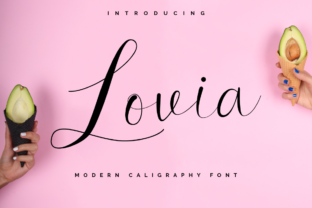
Lovia Font: Elevating Handmade Labels and Packaging
The studio is quiet except for the hum of the cutting machine and the soft rustle of textured paper. On my desk sits a prototype for a new line of soy candles, and I am staring at a label that feels almost right but lacks that final spark of magic. The product itself is artisanal and carefully poured, yet the typography on the test print feels too rigid, too digital, and disconnected from the warmth of the wax. This is often the pivotal moment in product development where a typeface choice determines whether an item looks like a generic commodity or a cherished handmade treasure. When I loaded Lovia onto my design canvas, the shift was immediate. This script font did not just spell out the scent name; it embodied the very essence of the craft, balancing authenticity with an elegance that mass-produced fonts simply cannot replicate.
Capturing Authenticity in Product Design
As makers and sellers, we know that our customers are buying more than just an object; they are buying a feeling, a story, and a connection to the human hands that created it. Lovia excels in this space because it avoids the overly polished, plastic sheen of many modern scripts. Instead, it offers a dazzling visual rhythm that mimics the natural flow of hand-lettering. When designing for physical products, this distinction matters immensely. A font that looks too perfect can inadvertently signal factory production, while one that feels too messy can undermine perceived quality. Lovia sits in that coveted sweet spot of premium typography, offering smooth curves and organic ligatures that suggest care and intention without sacrificing professional legibility.
In my own testing with candle labels, I found that Lovia’s swashes and alternates allowed me to customize the layout to fit curved surfaces and small circular stickers without the text feeling cramped. The font carries a romantic yet grounded personality, making it ideal for brands that want to convey luxury without being stuffy. Whether you are creating packaging for skincare, tags for knitwear, or boxes for artisanal chocolates, this typeface brings a cohesive brand identity that feels established and trustworthy from the very first glance.
Practical Applications for Makers and Sellers
The versatility of Lovia extends far beyond simple labeling. As I moved from packaging design to creating coordinating shop materials, the font proved to be a reliable workhorse across various mediums. For handmade business owners, consistency is key to building recognition, and having a display font that performs well at both large and small scales is invaluable.
- Wedding Stationery: Lovia shines on invitation suites and welcome signs. Its elegant strokes provide the necessary formality for weddings while retaining a personal touch that couples adore. It pairs beautifully with minimalist layouts, allowing the names and dates to take center stage.
- Printable Wall Art: When designing digital downloads or physical prints, readability is paramount. Lovia works exceptionally well for short inspirational quotes or single-word affirmations. The intricate details remain crisp even when printed at larger sizes, preventing the pixelation or blurriness that can plague lesser script fonts.
- Apparel and Tote Bags: Screen printing and heat transfer vinyl require clean lines. I tested Lovia on a canvas tote bag design, and the letterforms held up perfectly during the weeding process. The connections between letters are sturdy enough to prevent peeling, which is a common frustration with thinner, more delicate scripts.
- Social Media Graphics: Creating listing images and Instagram posts requires text that stops the scroll. Using Lovia for headlines or promotional overlays adds a layer of sophistication to digital marketing assets, helping handmade shops stand out in crowded feeds.
Mastering Font Pairings and Readability
While Lovia is undeniably stunning as a standalone display font, its true power in commercial design is unlocked through strategic pairing. A common mistake in handmade branding is using a script for every element, which creates visual fatigue and hampers readability. To maintain that dazzling balance, I always pair Lovia with a clean, structured counterpart. For body text on packaging—such as ingredient lists, burn instructions, or care guides—a simple sans serif font or a classic serif font provides the necessary contrast. This combination ensures that the decorative elements pop while the functional information remains accessible and easy to scan.
Readability should always dictate scale. When using Lovia for small boutique tags or return address labels, it is best to utilize the standard characters and avoid excessive swashes that might get lost in the trim line. Conversely, for large-format items like farmhouse signs or wedding backdrops, engaging the alternate characters and extended ligatures can fill negative space beautifully, turning the typography itself into a decorative illustration. Always preview your designs at actual size before sending them to print or cutting; what looks spacious on a 27-inch monitor may become illegible on a two-inch sticker.
Technical Considerations for Production
For those of us using Cricut, Silhouette, or other cutting machines, the technical construction of a font is just as important as its aesthetic. Lovia has been crafted with production in mind, featuring smooth vector paths that minimize jagged edges when cut from vinyl or cardstock. However, it is still wise to perform a test cut on your specific material. Intricate scripts can sometimes present challenges with adhesive vinyl on textured surfaces, so adjusting blade pressure and using transfer tape with appropriate tack is essential for a flawless finish.
Before incorporating any new typeface into products intended for sale, verifying licensing is a non-negotiable step in professional crafting. Ensure you have the correct commercial license for Lovia based on your specific use case, whether that involves selling physical end-products, creating templates for others, or offering digital printables. Respecting intellectual property not only keeps your business compliant but also supports the type designers who create these essential tools. Additionally, check the included file formats to ensure compatibility with your design software, and explore the full range of multilingual support if you serve an international customer base. Understanding these technical and legal foundations allows you to focus entirely on the creative joy of bringing your handmade vision to life with confidence and style.